What an estimated finish date actually is
The math is simple. Take the words still left between where you are and your goal, then divide by how fast you have been writing lately. The answer is a date: if you keep going at this pace, this is when the book is done.
The part that matters is the word "lately". A good projection does not use the optimistic pace from your best week. It uses a rolling average, usually the last 7 or 30 days, so it reflects how you are writing now, including the quiet days. That is what makes it honest instead of flattering.
Why a projection beats a fixed deadline
A deadline is when you want to finish. A projection is when you actually will. They are not the same number, and the gap between them is the most useful thing a tracker can show you.
Set a deadline alone and you find out you missed it on the day you miss it, when it is too late to do anything. A projection moves every time you log a session. Write a strong week and the date pulls in. Miss a few days and it slides out, while there is still time to adjust the goal or the pace. You see the problem early, which is the only time a problem is fixable.
What to look for
Plenty of apps show a word count. Far fewer turn it into a finish date you can trust. The short checklist:
- Pace from a real average, not your single best day. A rolling 7 or 30-day rate is what holds up.
- A live estimate that updates on its own every time you log, rather than a number you have to recalculate.
- Goal in your unit. Words, pages, or lines, so the projection means something for a screenplay or a poetry collection too, not just prose.
- Per-project tracking. The novel, the side draft, and the blog each have their own pace and their own finish date. One blended number hides all of it.
- A free plan, so you can test whether seeing the date changes how you write before paying anything.
How Authorlytica works it out
You set a word-count goal for the project and log sessions as you write, about ten seconds each. Authorlytica keeps a rolling average of your pace and shows the goal progress alongside the date you reach it at that rate. Both update on their own. There is nothing to recalculate and no spreadsheet formula to maintain.
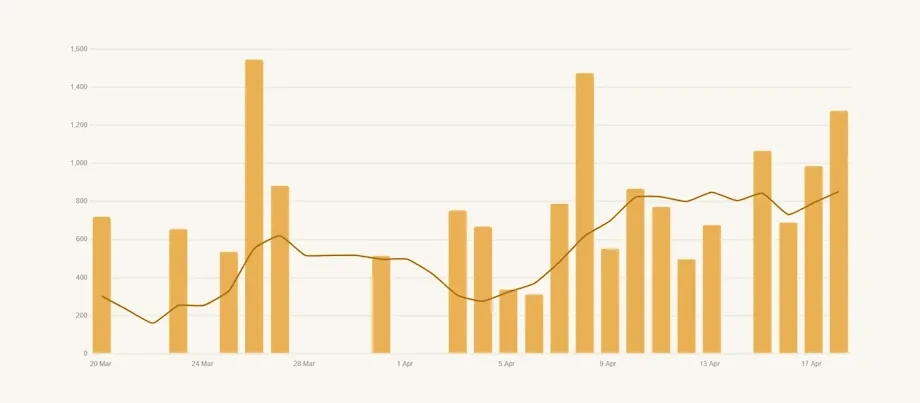
Because the estimate tracks your real pace, it doubles as an early warning. When the finish date drifts past where you wanted it, you know weeks ahead, not at the deadline. That is usually the difference between a book that ships and one that stalls in the long middle.
Want the one-off math first?
If you just want to sanity-check a date before committing to a tracker, the free Word Goal Calculator does the static version: enter a goal, a deadline, and a pace, and it tells you the daily count you need or the date you will land on. A tracker adds the part a calculator cannot, which is keeping the estimate current as your actual pace moves.
For the planning side of this, two guides go deeper: how long it takes to write a novel and how to set writing goals you will actually hit.
If you want to compare trackers
- The best word count tracker apps for writers in 2026 (free & paid)
- Authorlytica vs Pacemaker
- What a word monitor app really is
- What is a writing tracker?
The short version
A word count tells you what you did. A finish date tells you what it means. The first is a number; the second is a decision, because once you can see the date, you can choose to move it. A tracker that projects your pace is just a count that does the harder, more useful half of the job for you.